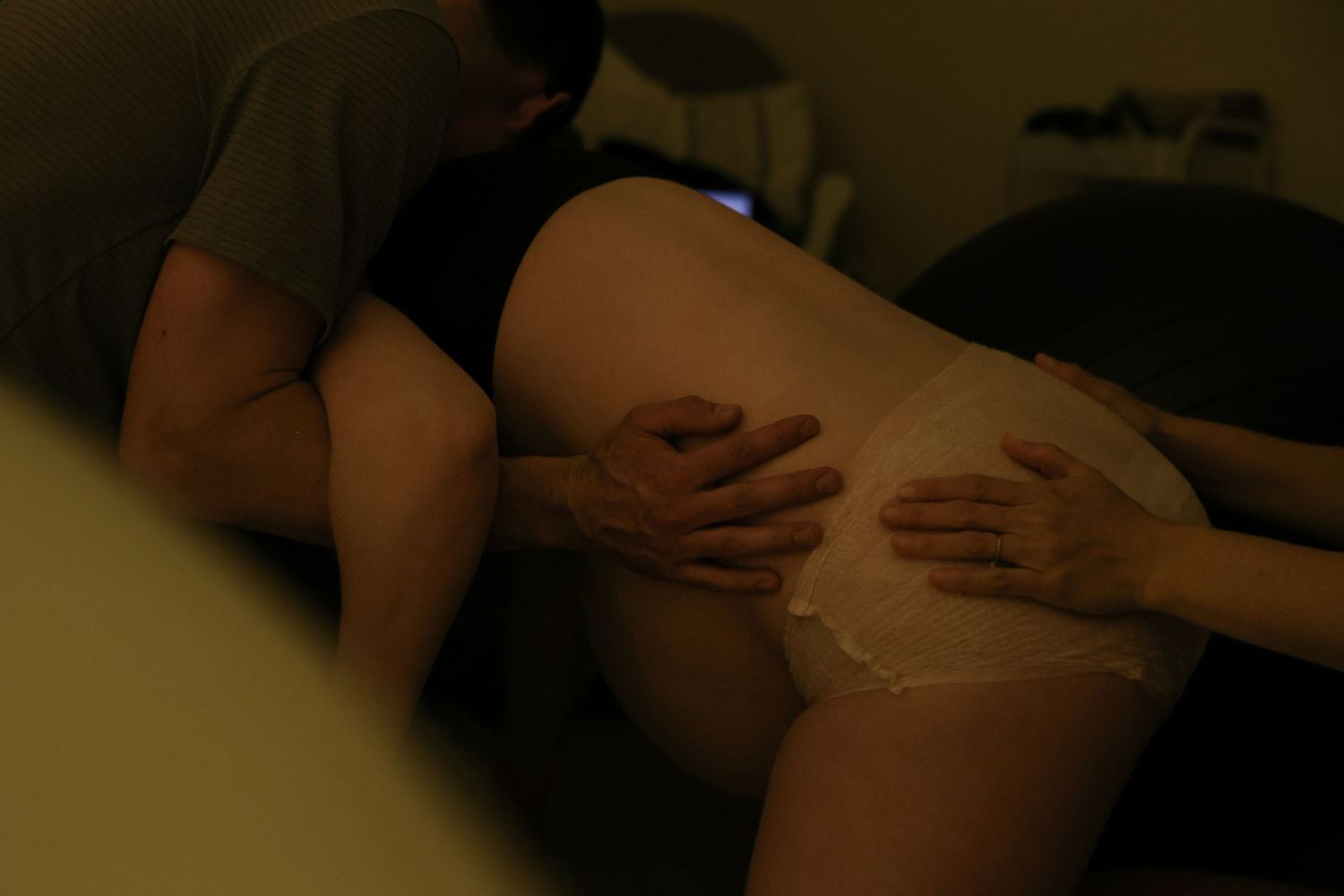
When the birth combs don't carry you through.
Nitrous oxide, aka laughing gas.
Every woman walks into labor with a toolbox — breathwork, movement, counter‑pressure, water, affirmations, and yes… the famous birth combs. These tools can be incredibly grounding, especially in early labor when you’re finding your rhythm and settling into the work your body is doing. Sometimes they’re enough to carry you through wave after wave with a sense of strength and confidence you didn’t know you had. But sometimes, even with all the preparation and all the coping skills in the world, the intensity climbs faster than expected. Sometimes anxiety creeps in. Sometimes your body is asking for just a little more support than the combs or the tub or the counter‑pressure can give.
If you reach that moment and think, “Okay… the combs aren’t cutting it anymore. What else can I try?” you’re not alone — and you’re not out of options. One of the gentlest, most flexible next steps available to women today is nitrous oxide. And the best part for families in our area is that both Gettysburg Hospital and UPMC Hanover offer nitrous oxide during labor, giving you access to a tool that can help you stay grounded without taking away your mobility or your sense of control.

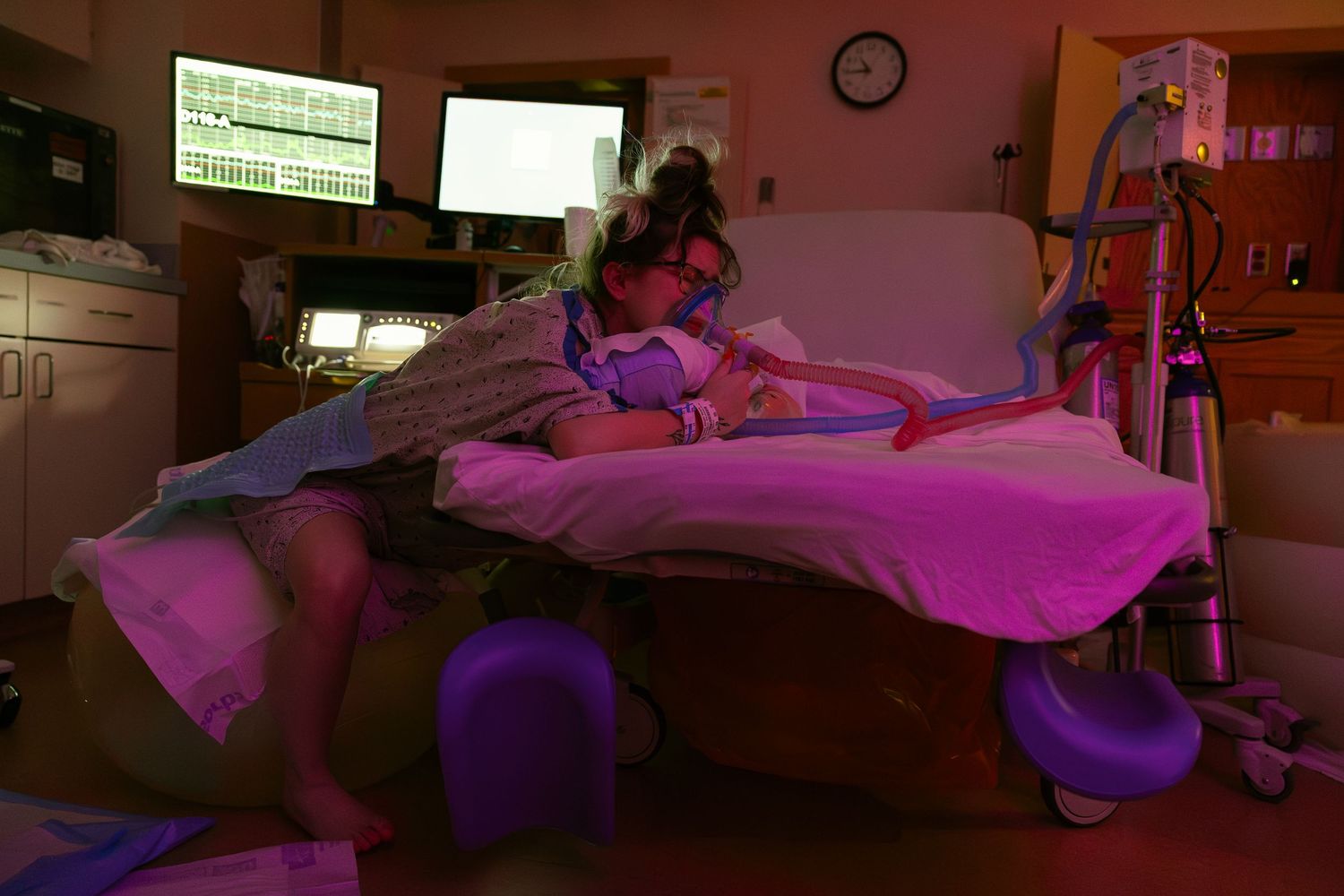
Nitrous oxide is a 50/50 blend of nitrous and oxygen that you inhale through a small handheld mask.
It doesn’t numb pain the way an epidural does, and it doesn’t disconnect you from your body or your experience. Instead, it softens the intensity of contractions, helps you stay calm and centered, and supports a steady breathing rhythm.
Many women find that it reduces anxiety and gives them something to focus on during each surge. Because you hold the mask, you’re always in control — you decide when to use it, how often, and for how long.
Nitrous is one of the most adaptable pain‑management tools available in labor, and it fits beautifully into a wide range of birth preferences. It works quickly — most women feel the effects within 30–60 seconds — and it wears off just as fast once you stop inhaling. That means you can use it during contractions and then set it aside between them, or you can use it continuously for a stretch of time if that feels right.
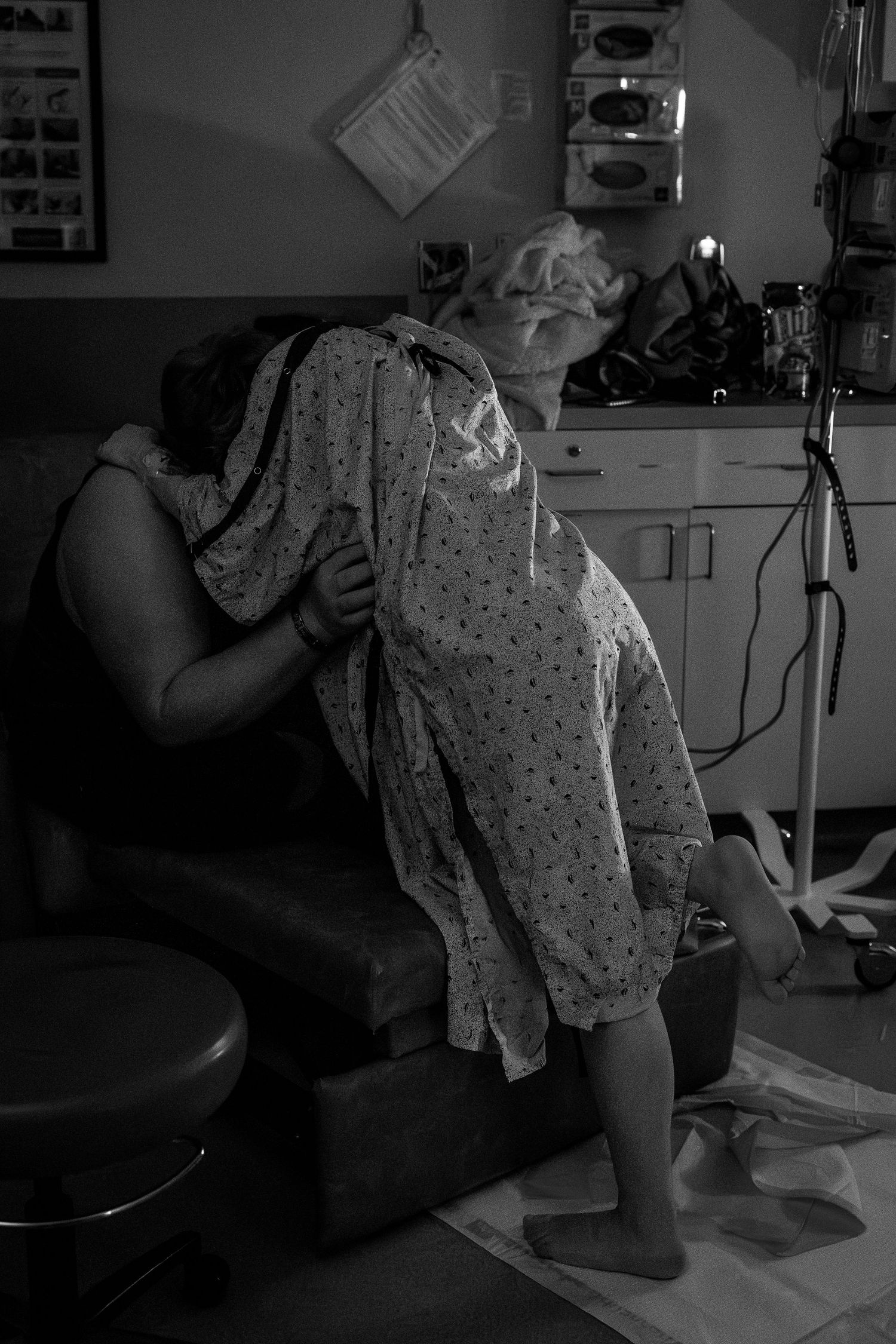
One of the biggest benefits is that nitrous doesn’t limit your movement. You can still walk, sway, squat, lean over the bed, or change positions freely. It also pairs well with other comfort measures like hydrotherapy, massage, counter‑pressure, TENS, or even IV pain medication. Some women use nitrous as a bridge while waiting for an epidural, while others use it as their primary tool throughout labor. Many describe it as “taking the edge off,” “helping me breathe,” or “giving me something to focus on.” It’s not about escaping labor — it’s about coping with it.
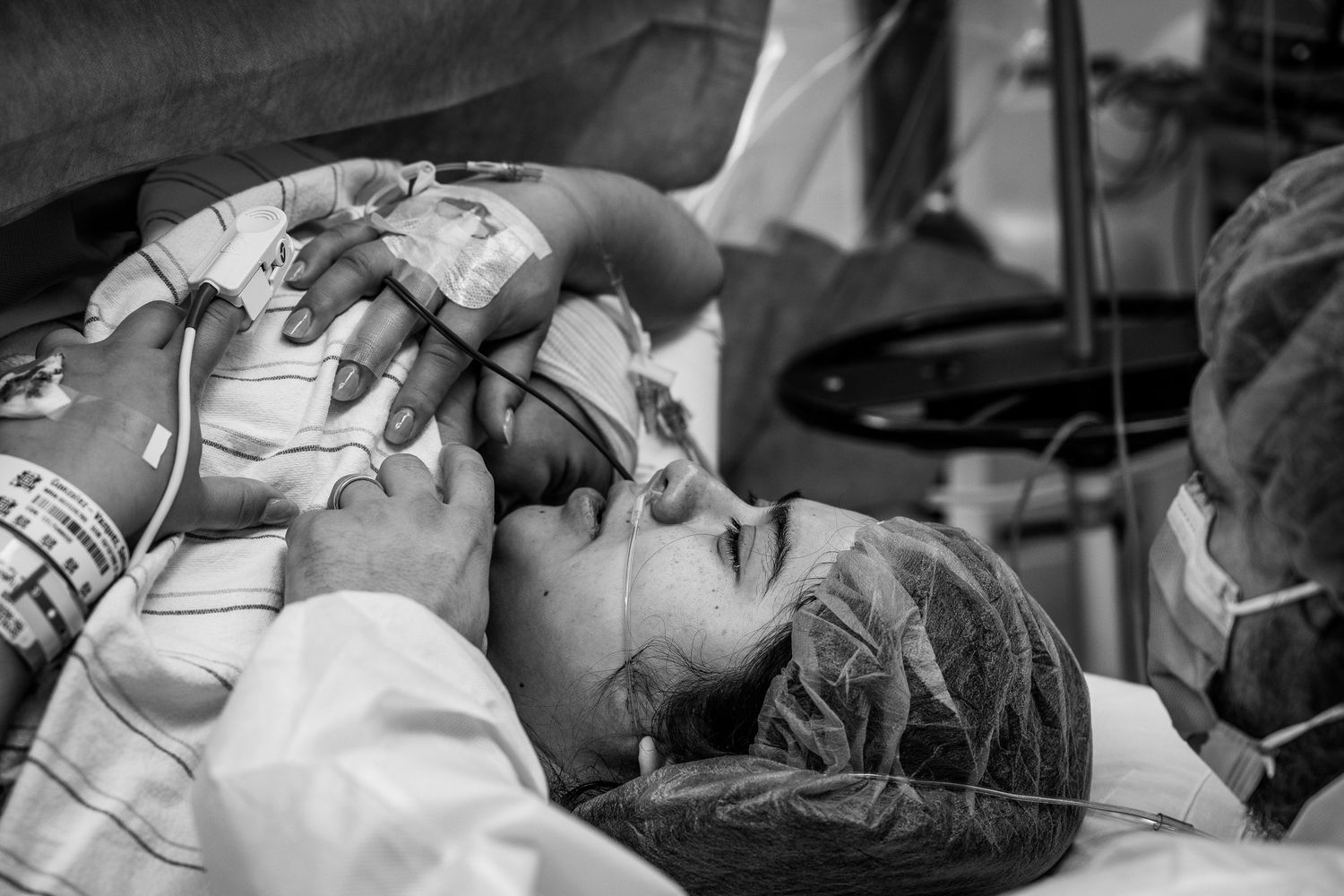
Wellspan Gettysburg
Gettysburg Hospital offers nitrous as part of their pain‑management options, and it’s available in most labor rooms. Nurses are familiar with its use and can set it up quickly when you request it.
Women appreciate that they can use nitrous early in labor, during procedures like cervical checks or IV placement, or during moments when the intensity spikes and they need a little extra support. It pairs beautifully with movement and water, making it a great option for women who want to stay active and engaged in their labor.
UPMC Hanover
UPMC Hanover also provides nitrous oxide as a flexible, low‑intervention option. Many women choose it because it helps reduce anxiety and supports calm, rhythmic breathing. It can be especially helpful during transition or while waiting for an epidural. Hanover’s labor and delivery team has integrated nitrous into their standard toolkit, making it easy to request and simple to use. Women appreciate that it offers relief without limiting their mobility or their ability to stay present.
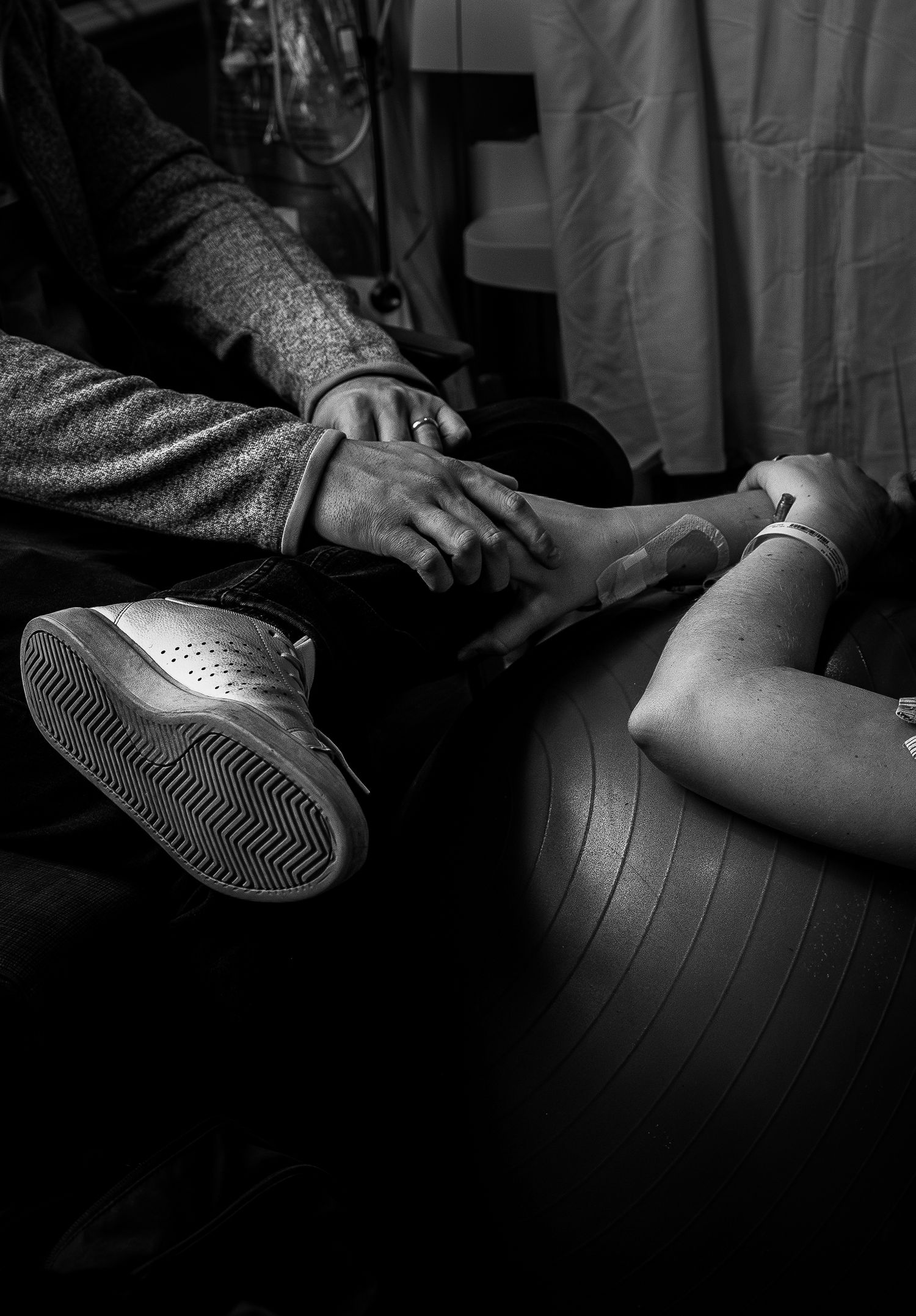
If the birth combs aren’t doing the trick anymore — or if you’re simply looking for a gentle, flexible option to help you cope — nitrous oxide is absolutely worth considering. For women birthing at Gettysburg Hospital or UPMC Hanover, nitrous offers something powerful: comfort, control, and calm — without losing mobility or momentum. It’s a tool that supports your strength, honors your instincts, and helps you stay centered in the work your body is doing.

let's connect!
I would love to hear from you and hear your thoughts about birth photography. Has your mind been changed? Did this bring up any more thoughts or comments or concerns?
I would love to hear it all!