WAVES | Birth by Design
SECTION Two – Understanding Labor • CHAPTER 06
CONTENTS
Section Two – Understanding Labor
Section Three – What Birth Looks Like
Section Four – The Fourth Trimester
Navigating the unexpected
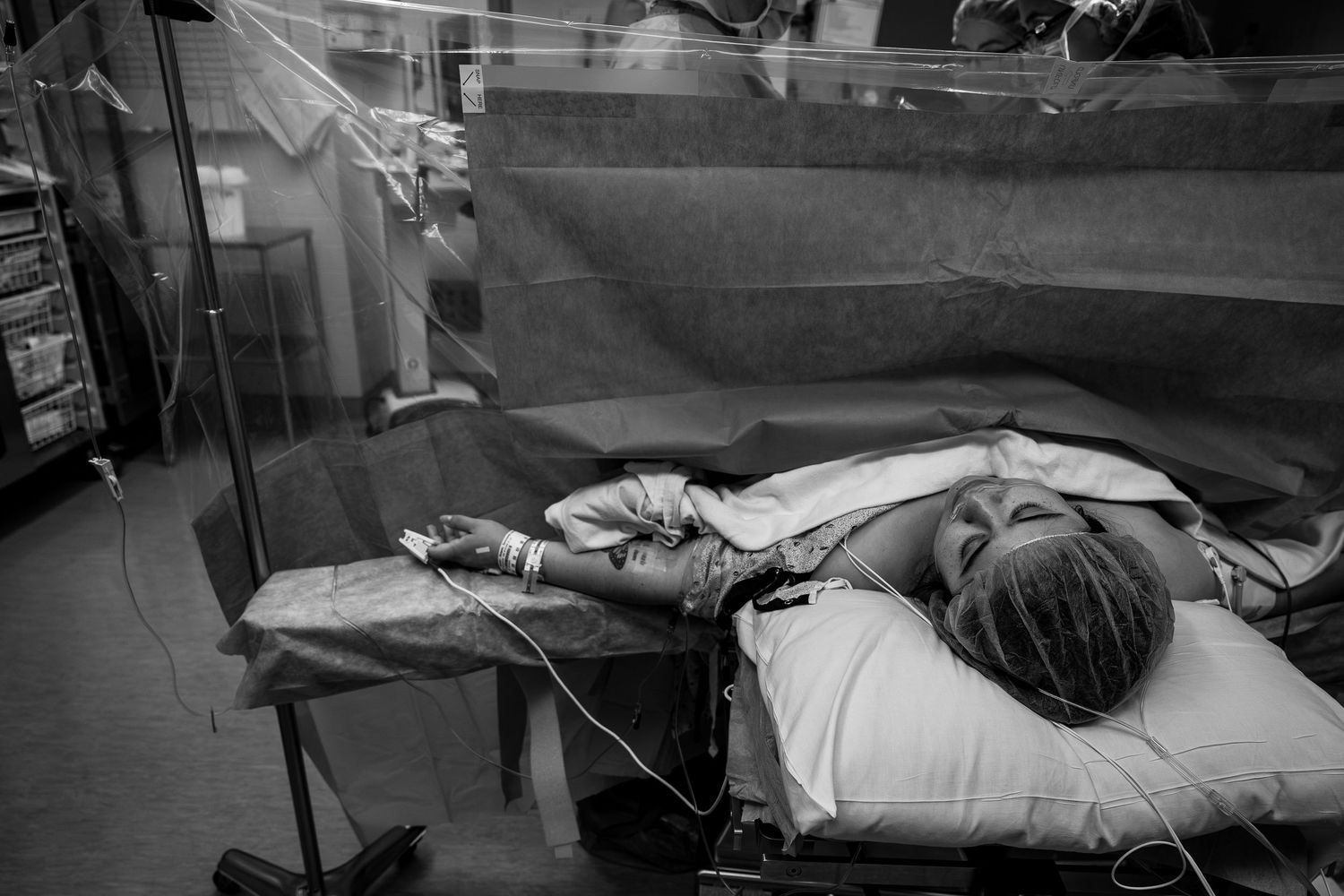
Labor is a dynamic, living process. Even with meticulous preparation, evidence-based research, and a deeply intentional birth preference sheet, childbirth inherently carries variables beyond human control. Navigating the unexpected is the difference between feeling like your birth has completely been ruined versus talking things through, making informed decisions, and still remaining the one who is (when safe) still calling the shots and making decisions, even if they were not your number one choice going into the labor.
Unplanned twists—whether a sudden shift in location, an unexpected medical recommendation, a prolonged plateau, or a necessary intervention—frequently ignite the same neurochemical alarms as physical danger. When a birth plan encounters a sudden hurdle, the brain instinctively registers a threat to safety and autonomy. This cognitive jolt triggers a surge of stress hormones, threatening to pull you directly into the Fear–Tension–Pain cycle–which, if you remember, is not somewhere we want to be during labor.
The moment path directions change is precisely when mind-body regulation becomes your most critical asset.
The Physiology of the Unexpected
When an unexpected event occurs during labor, the central nervous system processes the surprise as potential peril. The brain prompts the adrenal glands to release stress hormones, causing immediate physical alterations that directly impact labor progress:
- Cognitive Disruption: Acute stress impairs the prefrontal cortex, making complex decision-making feel overwhelming and exhausting.
- Neuromuscular Guarding: The body unconsciously shields itself. The jaw, shoulders, abdominal wall, and pelvic floor constrict—literally working against the downward mechanics of uterine contractions.
- Hormonal Interference: High levels of circulating adrenaline temporarily inhibit the steady, rhythmic pulses of endogenous oxytocin, causing contractions to space out, become uncoordinated, or stall entirely.
These reactions are standard mammalian responses—not personal failures. An unexpected event is not a lack of preparation, nor is a change in uterine pattern a failure of your body. It is simply a physiological signal calling for a change in state, support, or strategy.
Practical Interventions
Redirecting labor when facing the unknown requires a systematic approach to restore emotional grounding and physiological flow.
Immediate State Regulation
Before processing new information or making critical decisions, make sure to soothe the physical stress response first. These will help you make decisions clearly and avoid that "I'm in danger" brain fog where you cannot think and feel like you're just hearing things and not actually processing.
The Vocal-Pelvic Connection
Intentionally unclench your jaw and soften your tongue. Low vocalizations and deep, audible sighs engage the vagus nerve, signaling your body to drop its shoulders and slow its heart rate.
Rhythmic Exhalations
Lengthen your exhale (inhaling for a count of 4, exhaling for a count of 7). Prolonged exhalations quiet systemic tension and allow uterine muscles to relax between waves.
Informational Advocacy (The B.R.A.I.N. Framework)
The BRAIN framework for decision making is one of the biggest and best tools you can bring with you in your birth bag! It takes up no space, it does not require anything crazy to carry out, and it will help you make the right decisions at the right times, making sure that you get all of the information you need to make and feel confident in your informed decisions. When your care team suggests a change of plan, evaluate the decision using these five core questions:
B — Benefits
What are the specific benefits of making this change or intervention right now?
R — Risks
What are the potential risks or side effects associated with this option?
A — Alternatives
Are there alternative positions, comfort measures, or timeframes we can try first?
I — Intuition
What is my internal sense telling me? Do I need a few quiet minutes to process?
N — Nothing / Next
What happens if we wait 15 to 30 minutes before taking this step?
Environmental Re-Anchoring
Every time there is a major environmental or emotional change, you need to reset your environment. If you end up transferring from an out of hospital birth location to a hospital, if you need continuous monitoring, if labor slows, if your head space is frazzled, this is what I recommend to do; it is what I do with clients, and I typically see a change within the next half an hour.
- Dim artificial overhead lights, turn non-essential monitors away from your view. If you cannot turn them around, placing a blanket, sweatshirt, or pillowcase over them will typically block the light and distraction.
- Bring out familiar scents, warm blankets, or personal items to reclaim your physical space. I am a huge fan of galaxy projectors, a lot of them are also bluetooth speakers and they can really change up the vibe of the room if things have become clinical or stressful.
- Rely on your labor partner or doula for steady, continuous physical contact, such as firm counter-pressure or grounded eye contact. Partners, be sure to continue the physical touch the entire way through the contraction and "shake" it out as you are letting go. Anticipate when the next one will come and be ready to resume before she has to ask.
- Spend some time in the bathroom, either on the toilet or in the shower. Everyone feels better after being in the shower, plus it gives a small "cave-like" place to just *be*. Your partner can join you, or it can be your special space alone.
Reclaiming Autonomy & Integration
An unexpected turn in labor never negates your agency. True birth empowerment comes from making informed, respected, and self-honoring decisions as the journey unfolds—not from clinging to a rigid script. Part of that is why I hate birth plans (by all means, let's have preferences, but your plan will change, even down to what shirt you may wear... it is not worth the stress. Be educated, have realistic preferences).

NEXT CHAPTER – 05
Advocacy, Communication, + Decisions
This chapter covers the different phases and stages that you will experience during the birth of your child. Labor isn't just contractions all the time, nor are they the same the entire time through.
© 2026 Amie Bogart | Dove & Lioness Doula Services. All Rights Reserved
This educational course is written using established educational principles, reliable information sources, personal experiences and observations during births, common knowledge, and extensive self research. Birth is deeply nuanced and complex. Your individual birth experience may not be similar to the information, examples, or stories shared throughout this course, as every person's journey is unique. Everyone experiences labor differently, and what one person encounters may be entirely different from another's experience.